Helping Hands: Encouraging Children to Participate in Daily Routines

Children learn important life skills when they are invited to help with everyday routines. From setting the table to tidying up materials, participating in these small tasks builds independence, responsibility, and confidence.

When children take part in routines, they also develop a sense of ownership and belonging in their environment. These moments teach problem-solving, cooperation, and the satisfaction of contributing to a community, all while supporting their growth in meaningful, hands-on ways.

Encouraging children to help doesn’t have to be complicated. Simple tasks done consistently can have a big impact on their development and self-esteem.

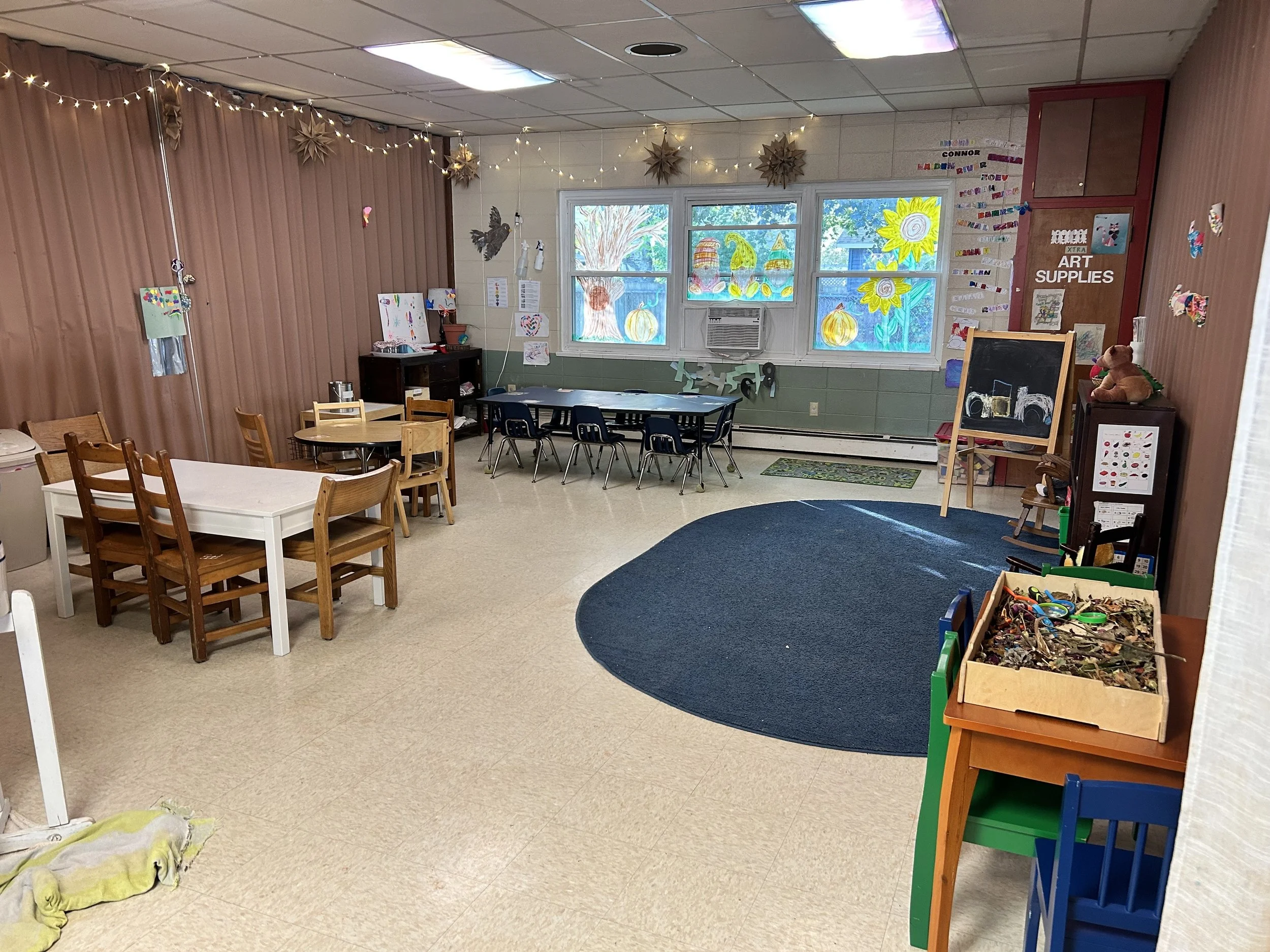
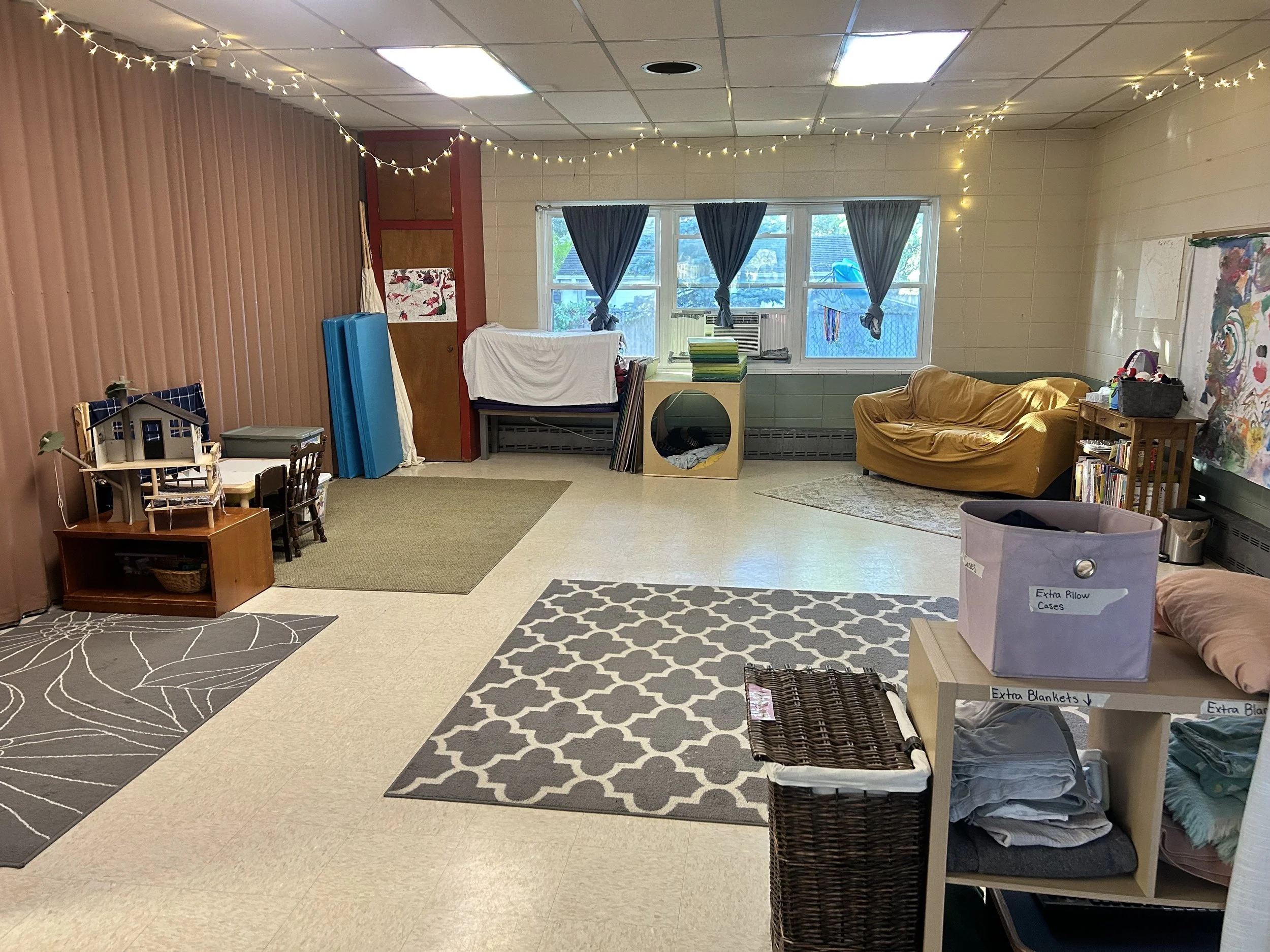
Classroom Feature- Blackbird Room (Herman)

Comfort, Confidence, and Discovery in the Blackbird Room

The Blackbird Room is a cozy, home-like space designed to support children as they grow in confidence, independence, and curiosity. Flexible areas throughout the classroom allow children to move naturally between active play and moments of rest.

Learning Through Play and Exploration

Children in the Blackbird Room share meals together, create art, build with open-ended materials, enjoy books, and explore nature-inspired discovery experiences. These activities support creativity, collaboration, and problem-solving in meaningful ways.

Movement and Risky Play

Active exploration is an important part of the Blackbird experience. Children are encouraged to climb, jump, and use materials in creative ways, helping them develop body awareness, resilience, and trust in their abilities.

Moments of Calm and Rest

Balance is key in the Blackbird Room. Alongside active play, children have time to rest, recharge, and engage in calm or imaginative play in a soothing, supportive environment.

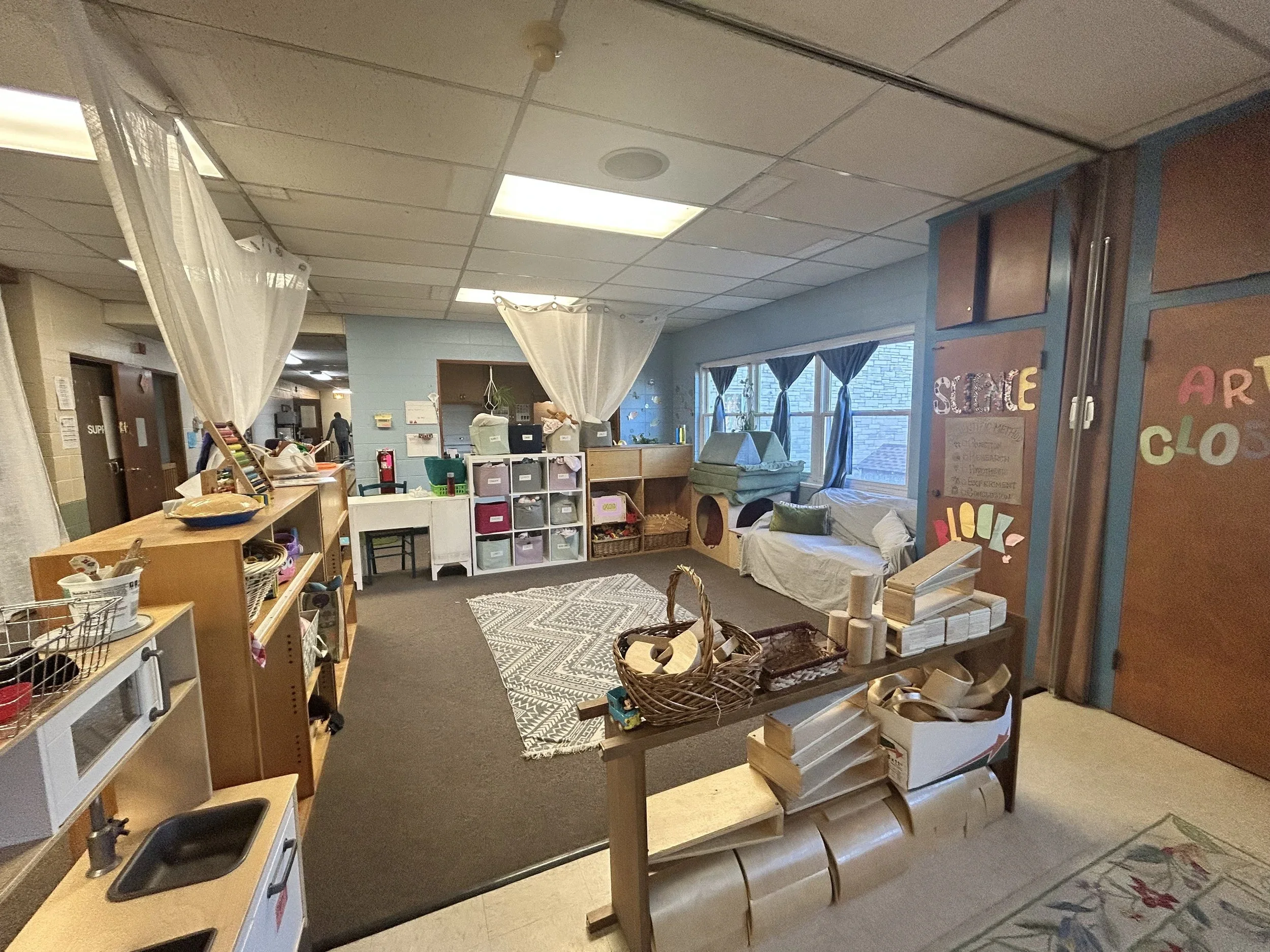
Classroom Feature- Goldfinch Room (Herman)

Exploring, Creating, and Connecting in the Goldfinch Room

The Goldfinch Room is a vibrant space for children ages 3-4, where creativity, curiosity, and connection guide everything they do. Each day is filled with opportunities for children to explore, create, and engage with the world around them.

Learning Through Play and Exploration

In the Goldfinch Room, children sing, dance, and make music, letting their creativity shine. Open-ended art projects, puzzles, and building materials encourage problem-solving, imagination, and self-expression. One of the kids favorite space, the kitchen set and pretend play areas, help children practice social skills, collaboration, and everyday independence.

Curiosity in Action

The Goldfinch classroom loves taking walks around the neighborhood, observing nature, and exploring our environment. These experiences spark questions, inspire creativity, and support children’s natural curiosity about the world.

Moments of Calm and Connection

Balance is key the key in their day. Quiet moments, reading together, or simply observing our surroundings allow children to rest, reflect, and recharge. These calm experiences help children feel grounded and supported in a nurturing classroom community.

In the Goldfinch Room, children grow through a mix of active exploration, creative expression, and gentle reflection. This helps them to develop confidence, independence, and a love of learning every day.

The Benefits of Mixed Age Groups in Childcare

Why Mixed-Age Groups Matter at Nestling House

At Nestling House, our mixed-age classrooms are designed to mirror the natural learning that happens in families and communities. Research shows that children thrive when they learn alongside peers of different ages, and we see those benefits every day in our centers.

Learning from eachother

According to ERIC Digest on The Benefits of Mixed-Age Grouping, younger children gain language, problem-solving, and social skills by watching and joining older peers. Older children strengthen confidence and leadership through helping, guiding, and modeling. These peer interactions create rich learning moments that single-age settings often miss.

Supporting individual growth

Mixed-age groups allow each child to develop at their own pace. Instead of everyone reaching the same milestone at the same time, children are supported as individuals.

A strong sense of community

Because mixed-age groups encourage cooperation over competition, children form deeper relationships and a strong sense of belonging. They learn empathy, patience, and how to care for others in a nurturing, family-like environment.

Across our Nestling House centers, mixed-age groups are one of the most meaningful ways we support confident, curious, emotionally secure learners who grow together every day.