Classroom Feature- Cardinal Room (Howell)

A warm and supportive environment

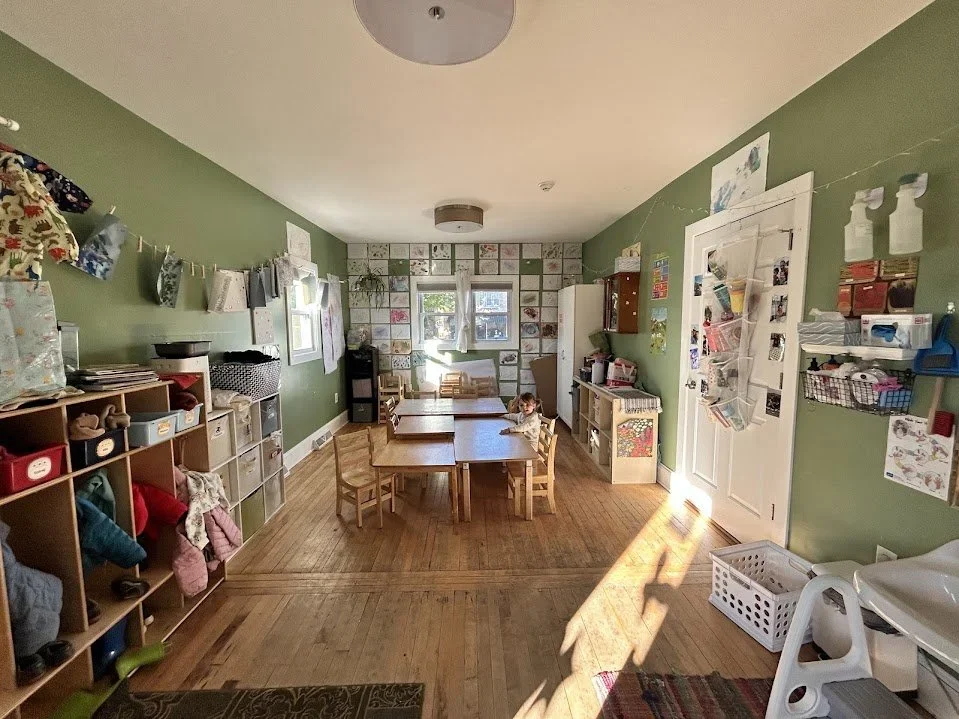
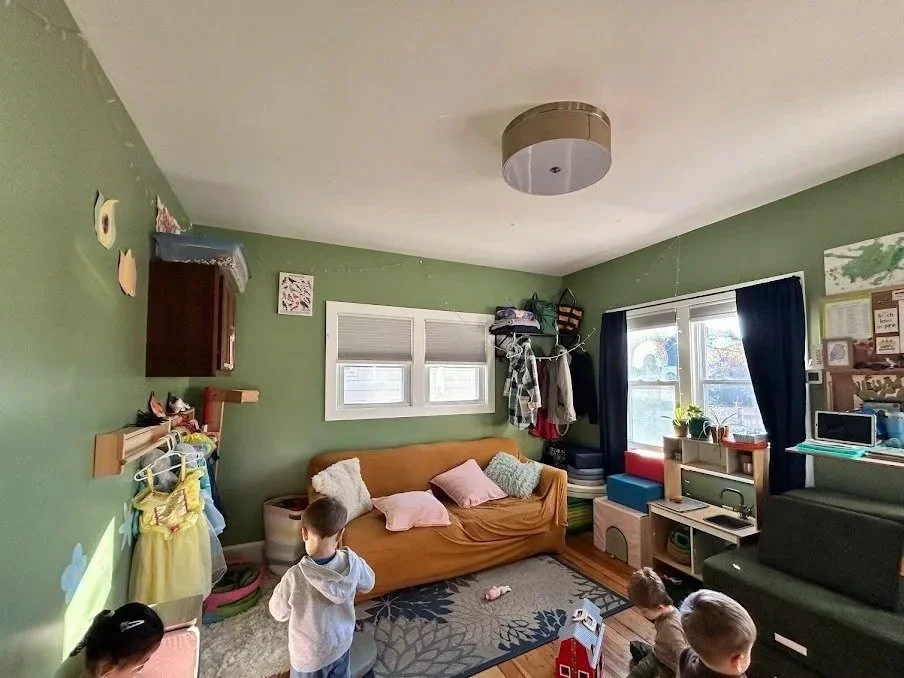
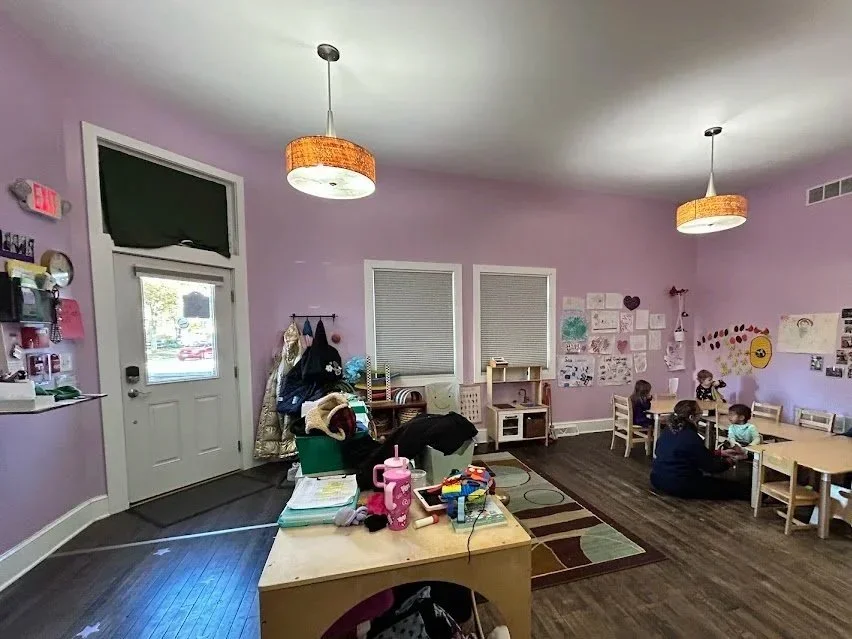
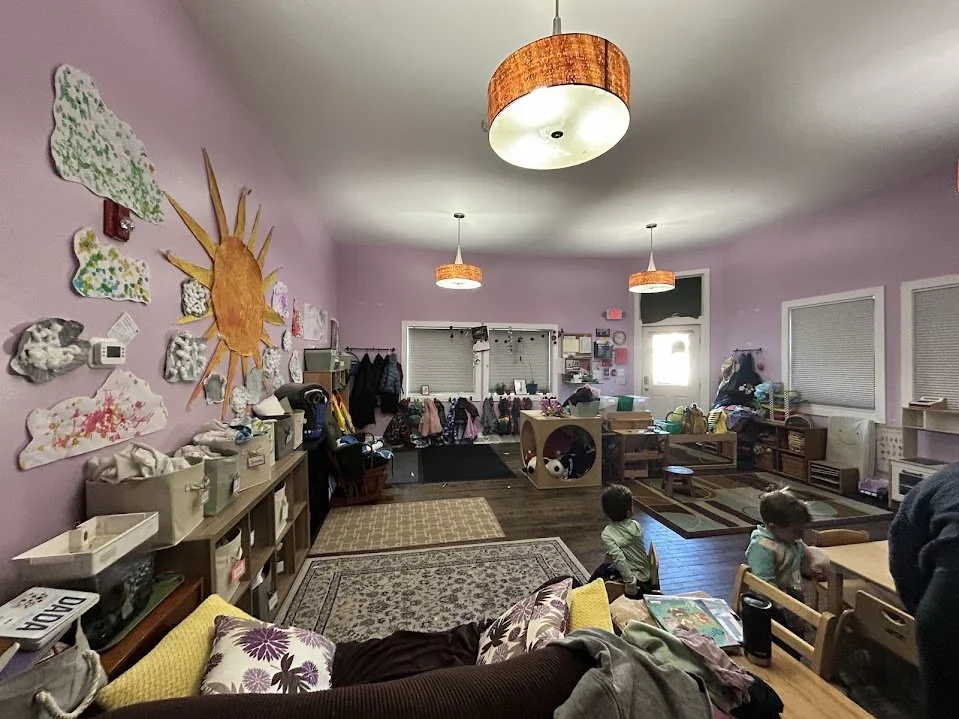
In the Cardinal Room, Miss Joi and Mr Sebastian create a calm, welcoming space where toddlers feel safe, seen, and cared for. Through gentle guidance and intentional interactions, we support children as they express their needs, form early friendships, and build the foundation for social-emotional growth.

The community we foster

The Cardinal classroom is filled with patience, joy, and steady encouragement. Each day, we follow the flow of each day whether that’s exploring new materials, engaging in playful problem-solving, or discovering something together outdoors. Team members in the Cardinal Room work as a team to offer a space where children feel confident to try new things, take their time, and trust their abilities.

Daily Rhythm and Making everyday count

Our consistent rhythm of active play, creative moments, outdoor time, rest, and connection helps children feel secure throughout their day. In the Cardinal Room, children practice social skills, explore their interests, and take small, meaningful steps toward independence. Every day, we’re honored to support their discoveries, celebrate their progress, and nurture their natural love of learning.
Continuity of Care in Early Education and Why it's Important

What Does Continuity of Care Mean?

Continuity of care in Early Childhood Education means that “…primary caregivers and children stay together for as long as possible,” (LaMarr, 2025). At Nestling House, we support this practice by using mixed-age groupings so that children remain with the same caregivers across multiple years.

Why Is This Important?

Benefits for Children

Continuity of care is essential because it creates a stable, secure, and supportive environment for young children. When children stay with the same caregivers over time, they develop strong, trusting relationships that help them feel safe and understood. This stability supports healthy emotional development, reduces stress from frequent transitions, and gives children the confidence to explore and learn.

Benefits for Staff

Consistent caregiving also allows educators to truly know each child thoroughly, like their cues, needs, temperament, and family context. This leads to more individualized, responsive care. It can also help teacher retention as they build stronger bonds with the children and their families.

Benefits for Families

Families benefit as well, building long-term, trusting relationships with caregivers who deeply understand their child. When caregivers, children, and families stay connected over time, the classroom begins to function like a small, supportive community this is something that is especially valuable during the infant and toddler years.

References

Libretexts, T. L. (2025, June 15). 24.2: Continuity of Care as a caregiving practice. Social Sci LibreTexts. https://socialsci.libretexts.org

Classroom Feature: Starling Room (Howell)

Our educators, Miss Olivia and Miss Emily, create a supportive classroom where children feel safe, understood, and encouraged. Through patient guidance and meaningful interactions, we help toddlers express their needs, build friendships, and develop early emotional skills.

community

The Starling Room is a space filled with patience, creativity, and genuine warmth. Miss Emily brings her love of nature into daily moments, while Miss Olivia brings her passion for art. From painting to looking for bugs, they encourage children to explore and trust themselves. Their gentle, steady energy helps the classroom feel both fun and inspiring.

Learning through creativity and discovery

The Starling Room is full of opportunities for hands-on learning, including:

  • Nature explorations inspired by children’s curiosity

  • Crafts and art experiences that support self-expression

  • Open-ended materials for building, experimenting, and problem-solving

These experiences help young children develop confidence, early communication skills, and a growing sense of independence.

Daily Flow and Growing together

A consistent daily flow of active play, creative work, quiet moments, outdoor time, and nurturing routines helps children feel grounded and supported. In the Starling Room, children practice social skills, explore their interests, and take important steps toward independence. We’re honored to celebrate their creativity, discoveries, and unique growth every day.

Fostering Kindness and Empathy in Children

Kindness and empathy are essential skills that help children build healthy relationships, manage emotions, and understand the feelings of others. In early childhood, these abilities develop through everyday interactions and the supportive environments we create.

Why it matters

Children who learn empathy early tend to have stronger social skills, better emotional regulation, and more positive peer relationships (Eisenberg, Spinrad, & Knafo-Noam, 2015). These skills also help them navigate conflict and build confidence in social settings.

How we Nurture Empathy at Nestling House

Modeling caring behavior: Young children imitate what they see. When Adults speak gently, show patience, and help others, children learn to do the same.

Talking about feelings: Naming emotions helps children recognize their own feelings and understand others’. Simple statements like “It seems like it makes you sad when friends take your toys. Tell me about that.” build emotional vocabulary (Denham et al., 2003).

Encouraging cooperation: Group play, turn-taking, and helping with routines teach children responsibility, fairness, and teamwork.

Using stories and book: Books about friendship and emotions offer relatable examples that spark conversations about kindness.

Offering helping Opportunities: Small acts, like comforting a friend, handing someone a toy, helping clean up, give children the chance to practice caring behaviors.

Building a Caring Foundation

Warm, responsive relationships are the heart of empathy development. When children feel safe and understood, they are more likely to treat others with the same care. By intentionally modeling kindness and creating opportunities to practice it, we help children build the skills they need to grow into thoughtful, compassionate individuals.

Classroom Feature- Robin Room (Howell)

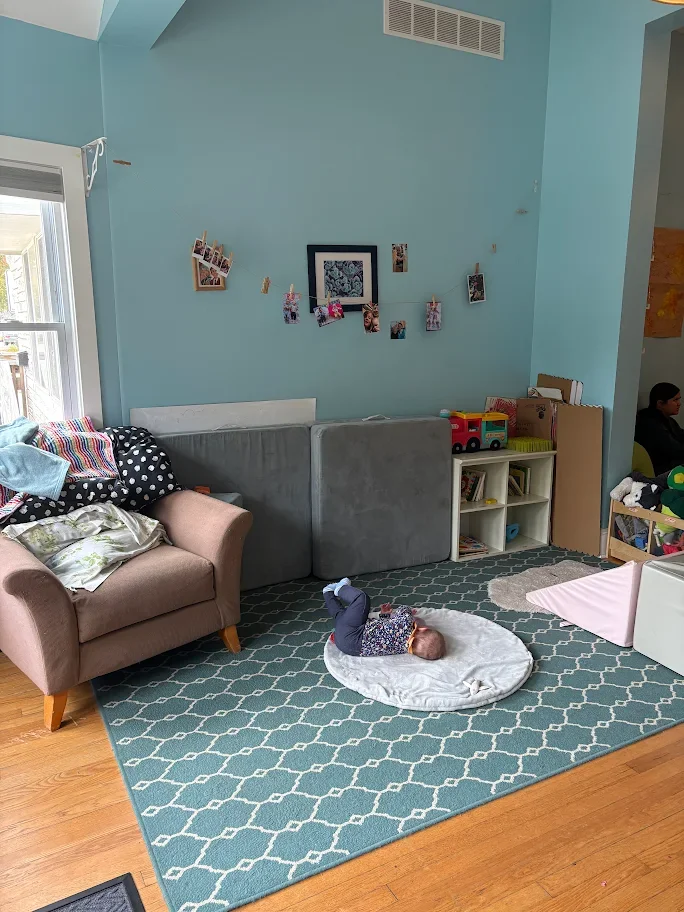
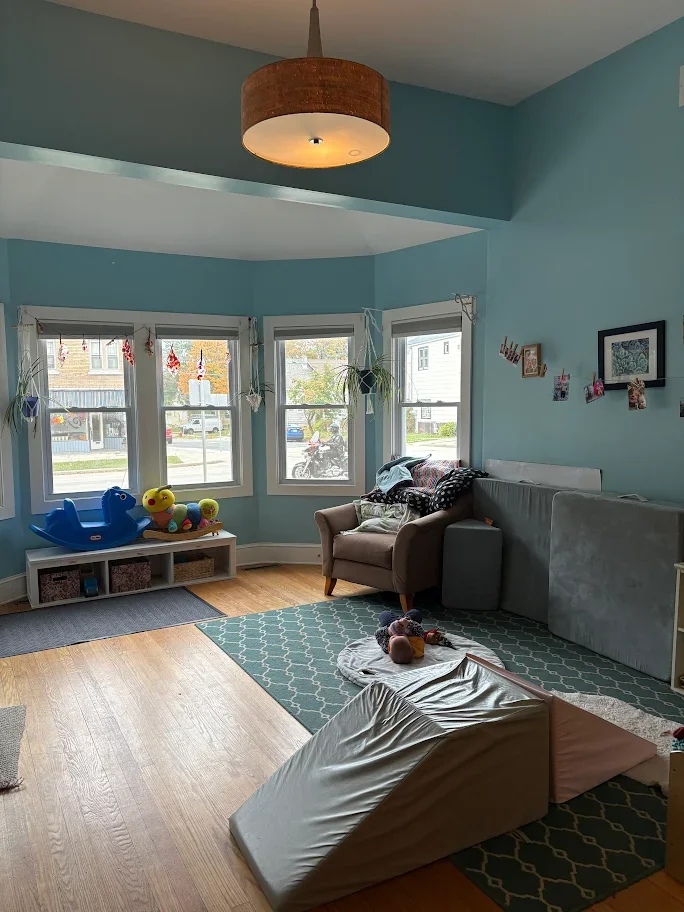
In the Robin Room, our youngest learners are welcomed into a calm, nurturing environment designed to support their earliest moments of growth. Everything we do in this space is centered on connection, exploration, and responsive care.

A Gentle, Relationship-focused Space

Our educators, Brynn and Miss Jess, provide consistent, loving care that helps children feel safe and understood. Through warm interactions, unhurried routines, and attentive communication, we build the foundation for secure attachment and early emotional development.

Growing through everyday moments

For children under two, learning happens naturally through touch, movement, and sensory exploration. The Robin Room offers:

  • Open-ended toys that support curiosity

  • Safe spaces for early mobility like rolling, crawling, standing

  • Books, songs, and language-rich interactions throughout the day

These experiences help babies and toddlers build confidence while discovering the world at their own pace.

A calm, predictable rhythm

Consistency is key for our youngest learners. Our daily flow balances playtime, restful moments, outdoor exploration (as weather allows), and individualized care. Children feel secure when they know what to expect, and our environment reflects that stability.

Being together

The Robin Room is a place where children begin building trust, forming relationships, and experiencing their first steps toward independence. We’re honored to support each child’s unique milestones and celebrate their early discoveries every day.