Why Commitment to Sustainability Matters in Early Education

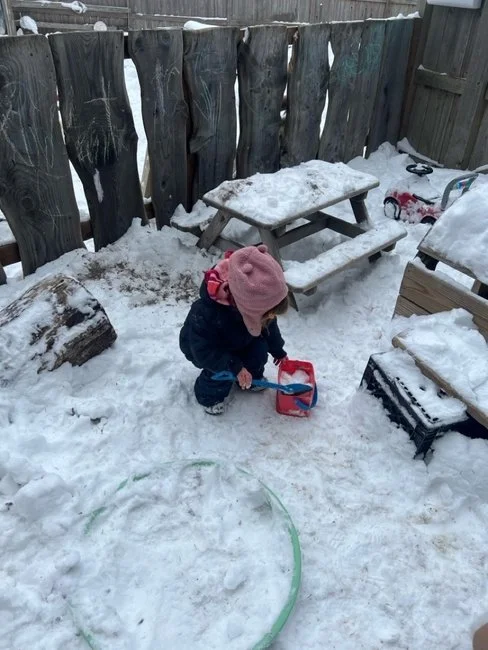
At Nestling House, sustainability is not just a concept we teach, it is a daily practice woven into the way our children learn, play, and interact with their environment. Early education offers a powerful opportunity to build lifelong habits, and our commitment to sustainable practices helps children grow into thoughtful, responsible members of their communities.

Sustainability in Practice at Our Centers

We intentionally design our environment and routines to model eco-conscious living. Throughout each day, children see and participate in practices such as:

  • Composting: Food scraps from meals and snacks are composted, teaching children about reducing waste and supporting natural life cycles.

  • Healthy eating: Our emphasis on nutritious, whole foods helps children understand where food comes from and how their choices impact both their bodies and the environment.

  • Recycling materials: We regularly reuse and recycle craft supplies, cardboard, paper, and other materials, showing children how everyday items can be repurposed creatively rather than thrown away.

These hands-on experiences help children connect their actions to real outcomes, reinforcing the idea that small choices make a meaningful difference.

Supporting Development Through Sustainability

Sustainable practices naturally support learning and growth. Composting and gardening build early science and problem-solving skills. Reusing materials encourages creativity and flexible thinking. Eating healthy foods promotes wellness and helps children develop a positive relationship with what they put into their bodies. Together, these practices create a learning environment grounded in care, responsibility, and respect.

Planting the Seeds for the Future

By embedding sustainability into early education, we prepare children to become aware, compassionate individuals who understand the value of caring for their world. The lessons learned in our centers extend beyond the classroom, influencing families and helping build a community culture that values the environment and each other.

How Engagement with Nature Supports Development

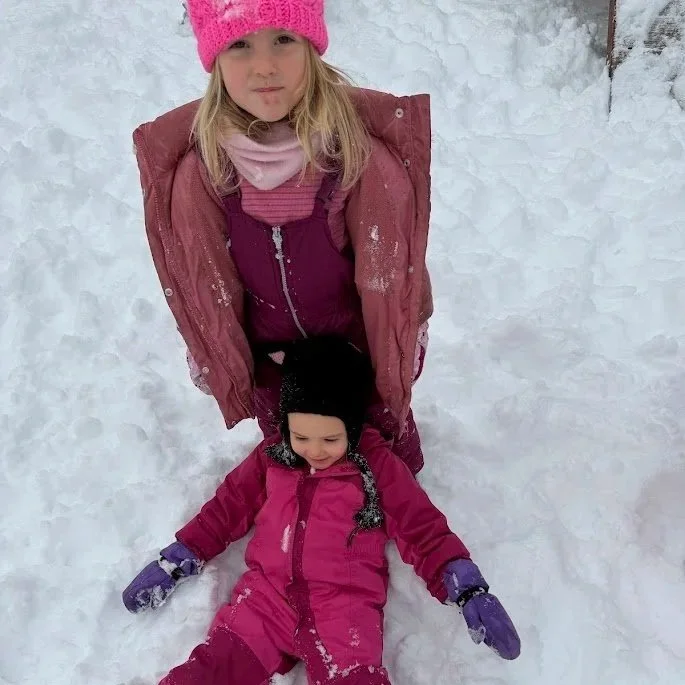
Spending time outdoors, whether it’s through exploring, playing, and connecting with nature, does more than just give a child fresh air and sunshine. According to the American Psychological Association, engaging with nature has shown to support mental, physical, emotional, and cognitive development in meaningful ways.

The Benefits

  • Time in natural settings has been linked to reduced stress, improved mood, and greater emotional regulation.

  • Regular access to natural environments supports resilience and helps children cope with life’s ups and downs more calmly over time.

  • Being outside helps “reset” busy brains: exposure to natural surroundings has been associated with improved attention, better memory, and greater self-regulation.

  • Natural, open-ended play invites creativity, problem-solving, and imaginative thinking, things structured indoor activities don’t always allow.

  • Outdoor play encourages movement: climbing, running, balancing, exploring. All of which build gross motor skills, coordination, and physical strength.

  • Early connection to nature lays the groundwork for environmental awareness and appreciation. Children who grow up comfortable outdoors often carry respect for the natural world forward into adulthood.

What This Means for Families & Nestling House

At Nestling House, we believe deeply that nature isn’t just a nice “extra”, it’s a fundamental component of our program. Whether through climbing logs, splashing in water, navigating natural terrain, or quietly observing bugs and birds, these everyday interactions foster growth. We encourage families to embrace time outside and see them as valuable classrooms for learning, growing, and connecting.

Classroom Feature- Administrative Team

Nestling House Admin

Nestling House is supported by an incredible group of leaders who care deeply about children, families, and our community. Here’s a quick look at the people who help our program run with heart and intention every day:

Miss Loryn- Executive Director

Loryn has been with Nestling House since 2019 and brings over a decade of early childhood experience. She grew up in Bay View and still lives there with her husband and two dogs. Loryn loves creating a warm, playful environment where children feel seen and loved. If there’s music playing or a PJ day happening… she’s probably behind it.

Miss Janelle- Enrollment & Finance Specialist

Janelle oversees enrollment and supports families through all things billing and admissions. She holds a Master’s in Early Childhood Education and has experience teaching in several settings, including abroad. Passionate about outdoor and risky play, she’s committed to giving children the space to grow into confident, capable humans. She lives in Milwaukee with her husband and their dog, Nessie.

Miss Lindsay- Licensing Coordinator

Lindsay joined Nestling House in 2021 and brings both parenting experience and a background in childcare. She believes strongly in responsive, nature-based, child-led learning. Originally from Waukesha, she now lives in Bay View with her family and enjoys gardening, yoga, hiking, and exploring northern Wisconsin.

Supporting Confidence and Independence Through Risky Play

At first glance, the term “risky play” can sound a little scary. As adults, our instinct is often to step in, protect, and prevent anything that might go wrong. But a healthy amount of managed risk is not only safe but it’s a powerful tool for helping children develop confidence, independence, and problem-solving skills that will stick with them for years.

What is Risky Play?

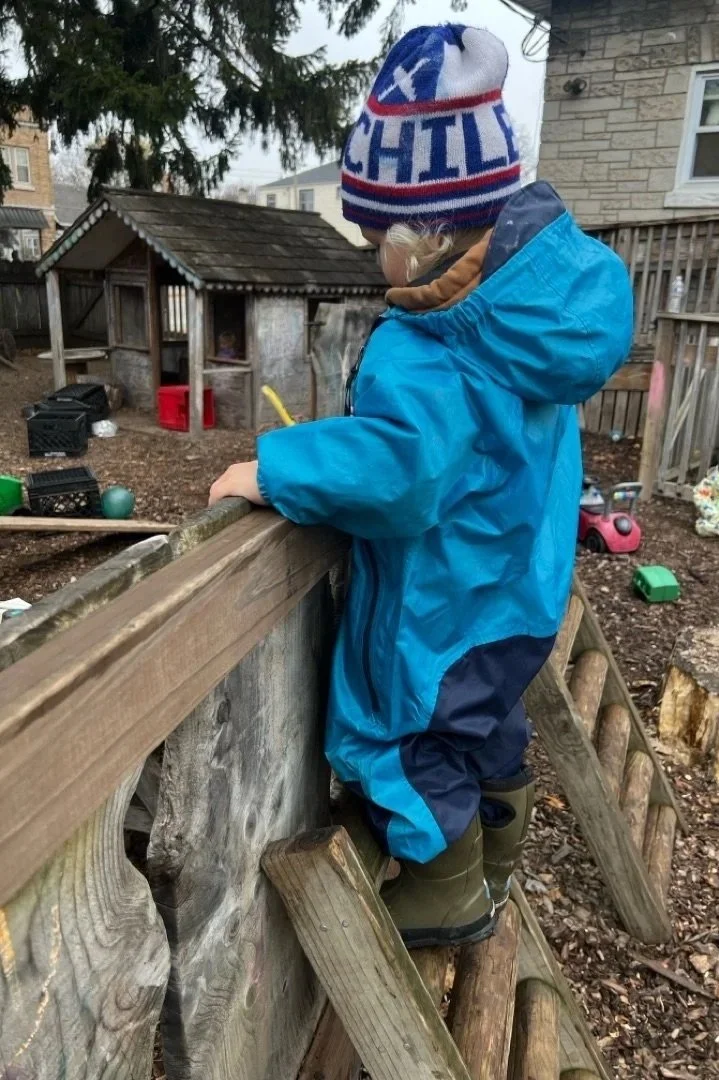
Risky play doesn’t mean letting children do anything dangerous. Instead, it’s providing safe opportunities for them to test their limits. For example, climbing, balancing, running fast, exploring tools, navigating uneven ground, experimenting with heights, or trying something they’ve never done before. These experiences help children learn what their bodies are capable of and how to make smart decisions.

Why it matters

  • They build confidence. Each time a child tries something new, they discover that “I can do hard things.”

  • They develop independence. Knowing that adults believe in their abilities encourages children to trust themselves.

  • They grow problem-solving skills. Risky play teaches children to plan, adjust, try again, and think ahead.

  • They strengthen physical skills. Balance, coordination, spatial awareness, and strength all grow through active exploration.

  • They learn boundaries. Children become better at assessing what feels safe and what doesn’t when they get to practice making decisions.

Our Role

We don’t step back, we step beside. Instead of removing all challenges, we can work to provide:

  1. A safe environment with natural challenges

  2. Supervision that supports not controls

  3. Language that encourages thinking (“What’s your plan?” “How does your body feel?”)

  4. Opportunities to try again without fear of failure

When children know that we are there to guide them, they’re more willing to take on challenges. Ultimately, risky play helps children grow into capable, resilient learners. When we allow children room to explore, experiment, and make small mistakes, we show them that we believe in their abilities. They carry that confidence into school, friendships, and every new challenge they meet.

Supporting risky play is supporting independence, self-trust, and a lifelong love of learning.

Classroom Feature-Center Floats

Float Staff at Nestling House

This week we’re featuring some amazing members of our team: , Miss Donna (Herman), Miss Raven (Howell), Miss Neeliya (Howell), Miss Grace (Howell/Herman), and Miss Mary (Howell)!

As float teachers, they step into any classroom that needs support and they do it with patience, love, and so much heart. Whether they’re comforting a little one who needs a moment or helping a classroom transition go smoothly, they bring a sense of calm and positivity everywhere they go.

Our float staff support every age group at our locations, making sure each classroom feels cared for and each child gets the attention they deserve. Our program simply wouldn’t run as smoothly without them, and we’re so grateful for the teamwork, flexibility, and kindness they show every day.

Help us give a big “thank you!” to these wonderful educators who help make Nestling House feel like home.