
At the heart of Nestling House is the use of open-ended materials. These are items that children can explore, manipulate, and transform in countless ways. Also called “loose parts,” natural materials, these materials can include blocks, sand, water, play dough, found objects, or anything that sparks curiosity and creativity.
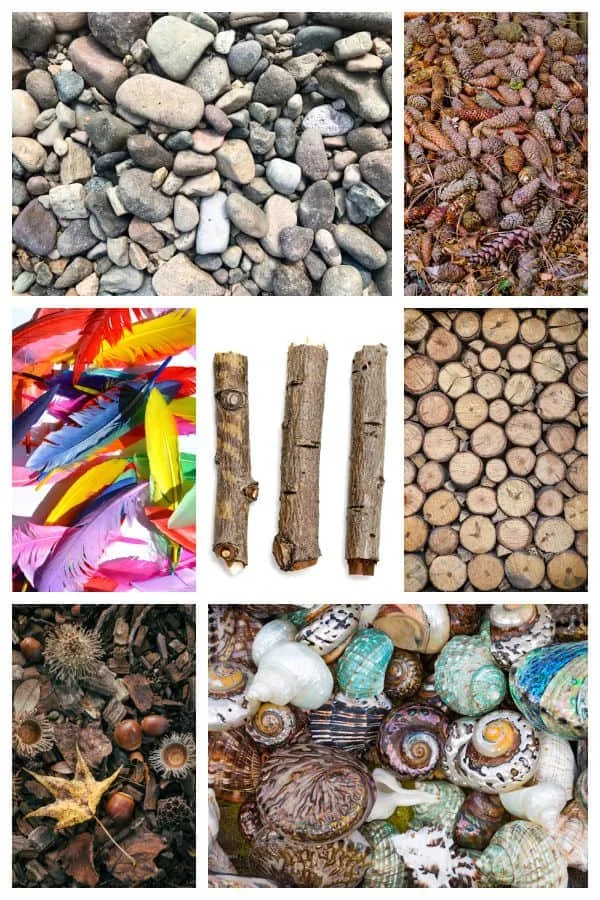
Learning through exploration
Open-ended materials allow children to learn through experimentation and discovery. By engaging with these materials, children develop critical thinking, problem-solving skills, and creativity. Whether building towers with blocks, molding shapes from play dough, or pouring and measuring with sand and water, children explore possibilities and learn from their successes and mistakes.
Supporting Development
Open-ended materials help children grow in many ways:
Cognitive: Experimentation encourages problem-solving, planning, and reasoning.
Physical: Manipulating materials strengthens both fine and gross motor skills.
Social and Emotional: Children collaborate, share ideas, and gain confidence in their abilities.
Tinkering, Messing About, and Provocations
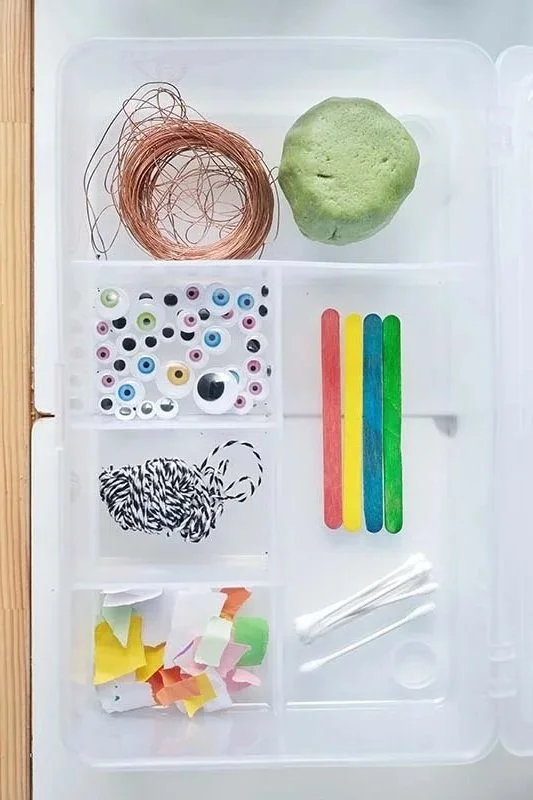
The magic happens when children have time to simply “mess about” with materials, exploring freely without a set goal. Once they’ve discovered the potential of the materials, adults can introduce provocations: questions, challenges, or observations that spark deeper thinking. For example, children exploring play dough might be invited to recreate sculptures from pictures, prompting discussion about shapes, features, and creative techniques.